



Androgen Receptor
Androgen receptor (AR) is a type of nuclear receptor that is activated by binding of either of the androgenic hormones testosterone or dihydrotestosterone in the cytoplasm and then translocating into the nucleus. Upon binding the hormone ligand, the receptor dissociates from accessory proteins, translocates into the nucleus, dimerizes, and then stimulates transcription of androgen responsive genes. The androgen receptor is most closely related to the progesterone receptor, and progestins in higher dosages can block the androgen receptor. The main function of the androgen receptor is as a DNA-binding transcription factor that regulates gene expression. Androgen regulated genes are critical for the development and maintenance of the male sexual phenotype. Mutations in this gene are also associated with complete androgen insensitivity (CAIS).
All Product Categories
-
Androgen Receptor Inhibitors
(127)
View all products
-
Androgen Receptor Agonists
(27)
View all products
-
Androgen Receptor Antagonists
(147)
View all products
-
Androgen Receptor Activators
(3)
View all products
-
Androgen Receptor Modulators
(39)
View all products
-
Androgen Receptor Inducer
(1)
View all products
-
Androgen Receptor Degraders
(52)
View all products
-
Androgen Receptor Controls
(3)
View all products
-
Androgen Receptor Ligands
(25)
View all products
-
Androgen Receptor Proteins
(1)
View all products
-
Androgen Receptor Related Products (480)
Related Products (480)

-
Recombinant Proteins (1)
-
Antibodies (2)
-
ARCC-4
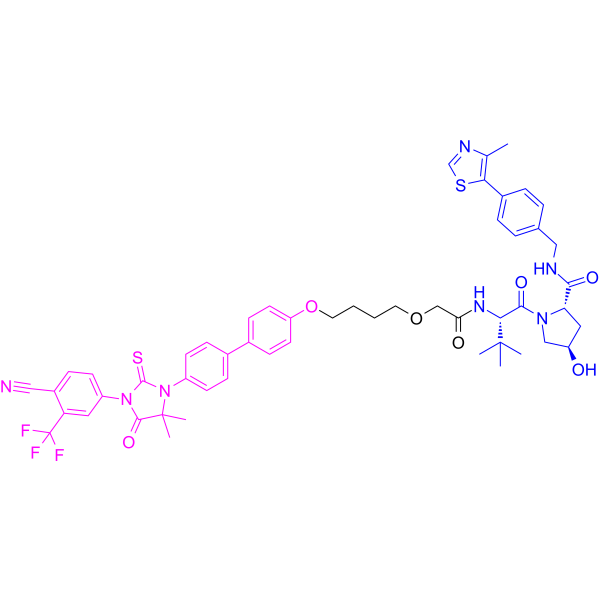 0 ImagesARCC-4 is a low-nanomolar Androgen Receptor (AR) degrader based on PROTAC, with a DC50 of 5?nM. ARCC-4 is an enzalutamide-based von Hippel-Lindau (VHL)-recruiting AR PROTAC and outperforms enzalutamide. ARCC-4 effectively degrades clinically relevant AR mutants associated with antiandrogen therapy.
-
Masofaniten
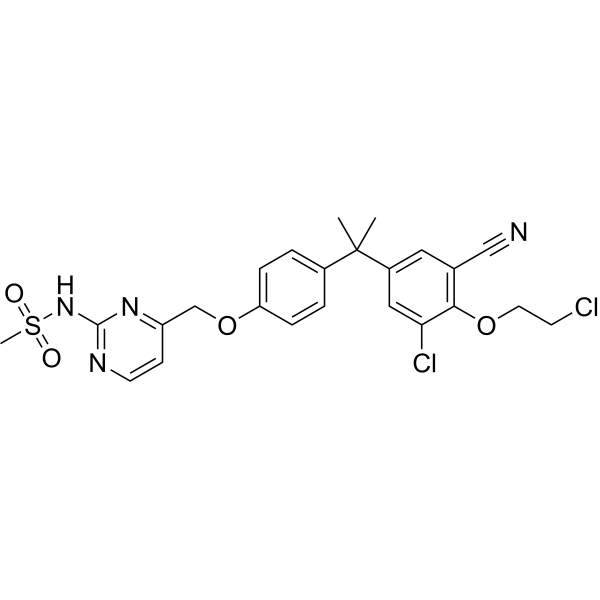 0 ImagesSynonyms: Androgen receptor-IN-2Masofaniten (Androgen receptor-IN-2) is a potent and orally active androgen receptor inhibitor. Masofaniten has antitumor activity against prostate cancer.
-
(R)-SKBG-1
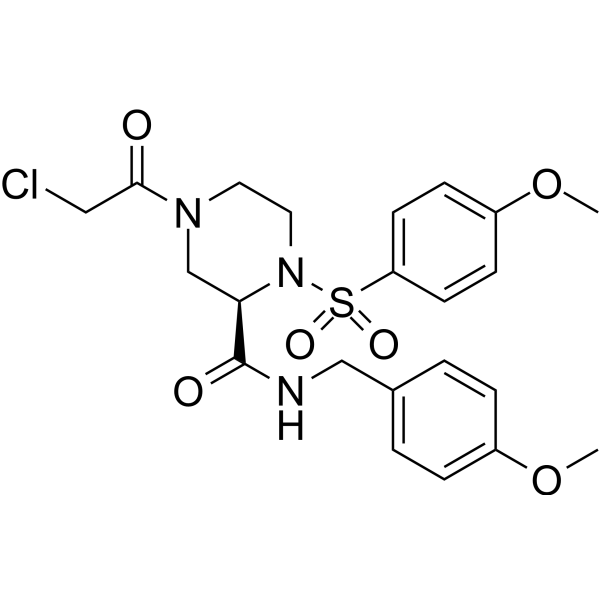 0 Images(R)-SKBG-1 is a covalent inhibitor targeting the RNA binding protein NONO. (R)-SKBG-1 can reduce the expression of androgen receptor (AR) and its splice variants, inhibiting cancer cell proliferation. (R)-SKBG-1 inhibits androgen receptor expression with IC50 of 3.1 μM and 5.5 μM for AR-FL mRNA and AR-V7 mRNA, respectively. (R)-SKBG-1 interferes with the gene regulatory network of cancer cells and inhibits cancer cell growth by stabilizing the interaction between NONO and mRNA. (R)-SKBG-1 can be used in the study of cancers related to NONO dysfunction, such as prostate cancer.
-
Adrenocorticotropic hormone
 0 ImagesAdrenocorticotropic hormone (ACTH; Adrenocorticotrophic hormone) is a polypeptide tropic hormone produced by the anterior pituitary gland. Adrenocorticotropic hormone stimulates cortisol secretion from the adrenal cortex via the hypothalamic-pituitary-adrenal (HPA) axis. Adrenocorticotropic hormone regulates cortisol and androgen production. Adrenocorticotropic hormone can promote the development of spermatogenesis. Adrenocorticotropic hormone can relieve acute inflammation in gout models by inhibiting the polarization of macrophages to M1 type, inhibiting ROS and proinflammatory factor production and protecting mitochondrial function. Adrenocorticotropic hormone can be used for the researches of inflammation, endocrinology, metabolic disease, such as gout and nephrotic syndrome.
-
Drospirenone
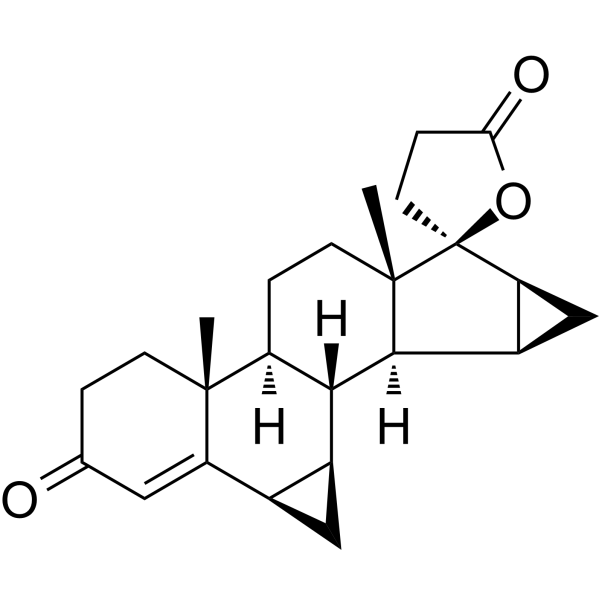 0 ImagesSynonyms: DihydrospirorenoneDrospirenone (Dihydrospirorenone) is an orally active fourth-generation progestin that interacts with the progesterone receptor (PR) and androgen receptor (AR). Drospirenone significantly decreases both plasminogen activator inhibitor-1 (PAI-1) and tissue plasminogen activator (tPA) via the AR. Drospirenone can produce DNA damage in bone marrow cells of female mice. .
-
AR/BRD4 RIPTAC-1
 0 ImagesAR/BRD4 RIPTAC-1 (Compound II-5) is an orally active Regulatory-inducible proximity-targeting chimera (RIPTAC). AR/BRD4 RIPTAC-1 induces the formation of a stable ternary complex between the androgen receptor (AR) and BRD4, thereby blocking BRD4 function. AR/BRD4 RIPTAC-1 inhibits the growth and proliferation of tumor cells. AR/BRD4 RIPTAC-1 holds promise for use in prostate cancer research.
-
Ligandrol
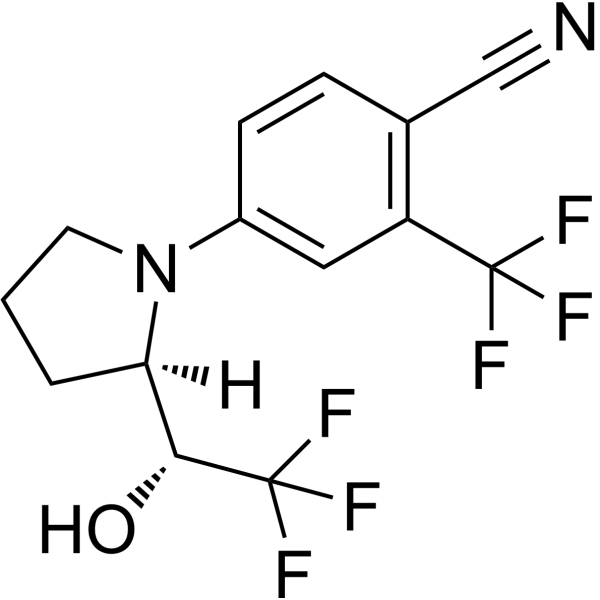 0 ImagesSynonyms: LGD-4033Ligandrol is an orally active, selective androgen receptor (AR) agonist. Ligandrol enhances protein synthesis, inhibits muscle breakdown and oxidative stress, improves muscle cell viability and bone tissue microstructure, and reduces Cisplatin (HY-17394)-induced muscle toxicity and apoptosis. Ligandrol promotes muscle growth, protects bone structure, and has anti-diabetic, anti-apoptotic and antioxidant effects. Ligandrol can antagonize Streptozotocin (HY-13753) damage to pancreatic islets and improve the symptoms of type 2 diabetes.
-
CSRM617 hydrochloride
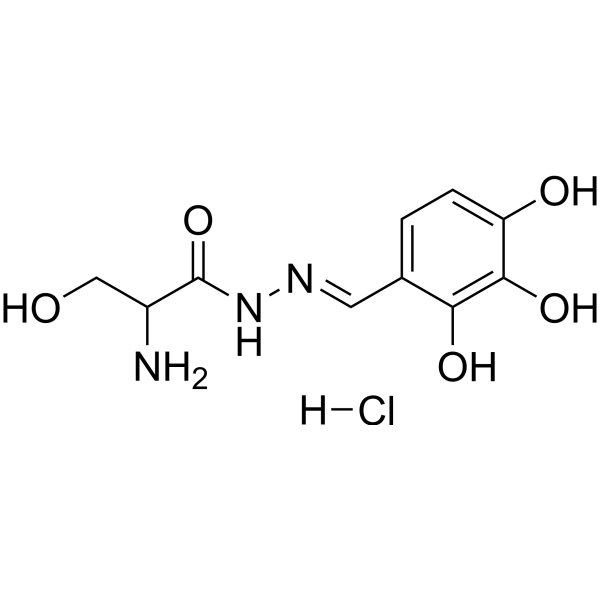 0 ImagesCSRM617 hydrochloride is a selective small-molecule inhibitor of the transcription factor ONECUT2 (OC2, a master regulator of androgen receptor) with a Kd of 7.43 uM in SPR assays, binding to OC2-HOX domain directly. CSRM617 hydrochloride induces apoptosis by appearance of cleaved Caspase-3 and PARP. CSRM617 hydrochloride is well tolerated in the prostate cancer mouse model
-
Clascoterone
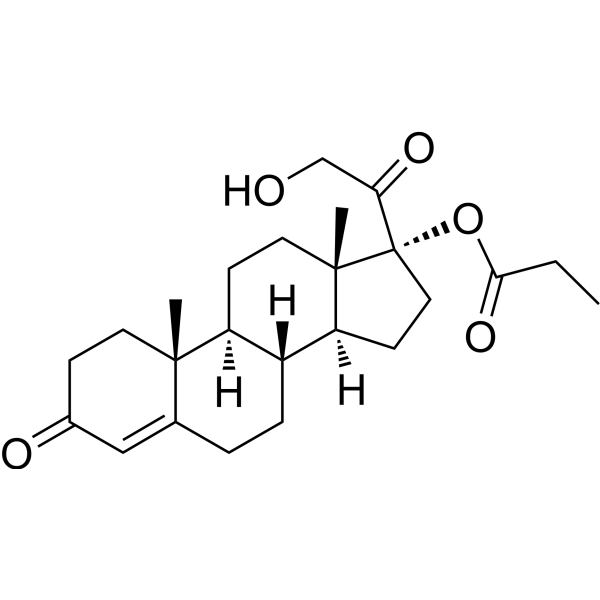 0 ImagesSynonyms: Cortexolone 17 alpha-propionate; Cortexolone 17α-propionate; CB-03-01Clascoterone (Cortexolone 17 alpha-propionate;Cortexolone 17α-propionate;CB-03-01) is a new topical and peripherally selective androgen antagonist.
-
Vosilasarm
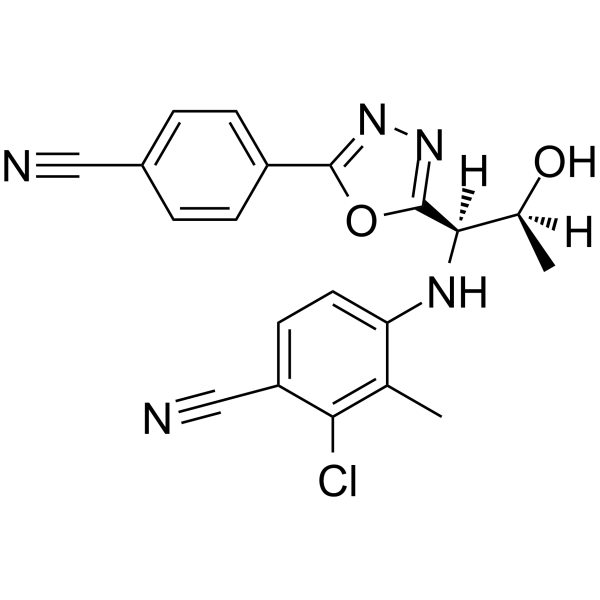 0 ImagesSynonyms: RAD140; EP0062Vosilasarm (RAD140) is a potent, orally active, nonsteroidal selective androgen receptor modulator (SARM) with a Ki of 7 nM. Vosilasarm shows good selectivity over other steroid hormone nuclear receptors.
-
BWA-522
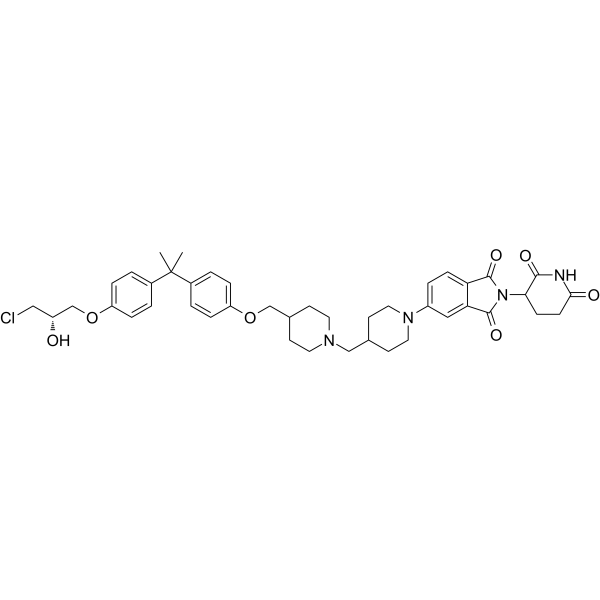 0 ImagesBWA-522 is an orally active PROTAC degrader targeting full-length androgen receptor (AR-FL) and androgen receptor splice variant 7 (AR-V7). BWA-522 antagonizes the N-terminal domain (AR-NTD) of the androgen receptor, suppresses AR downstream signaling proteins and induces cancer cells apoptosis. BWA-522 inhibits tumor growth in LNCaP xenograft mouse model. BWA-522 can be used for the research of prostate cancer.
-
N-Desmethyl enzalutamide
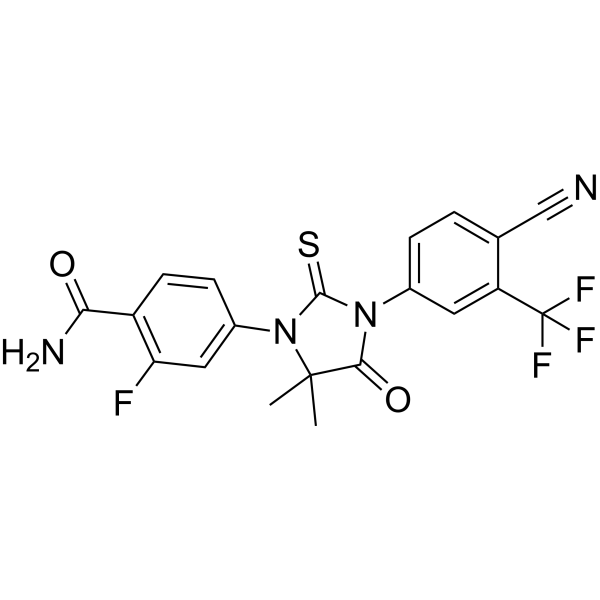 0 ImagesSynonyms: N-Desmethyl MDV 3100N-desmethyl Enzalutamide is the active metabolite of Enzalutamide.N-desmethyl Enzalutamide is the active metabolite of Enzalutamide. N-desmethyl Enzalutamide demonstrates primary and secondary pharmacodynamics of similar potency to Enzalutamide and circulates at approximately the same plasma concentrations as enzalutamide.
-
Nilutamide
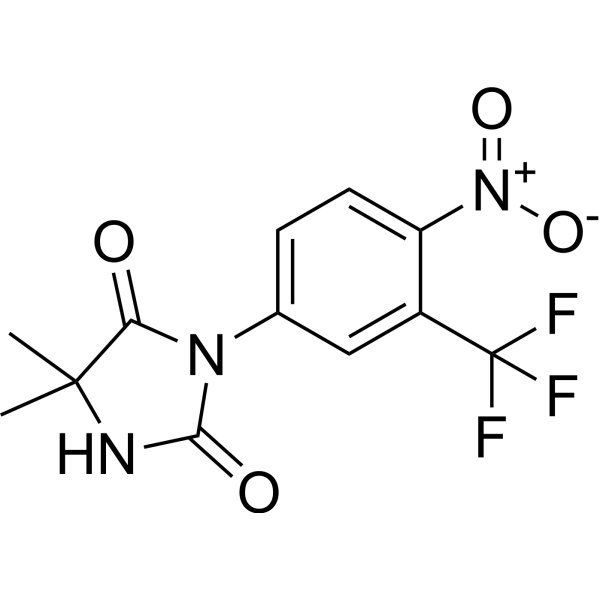 0 ImagesSynonyms: Nilandron; RU 23908Nilutamide (Nilandron) is an orally active nonsteroidal androgen receptor antagonist with affinity for androgen receptors but not for progestogen, estrogen or glucocorticoid receptors. Nilutamide can be used to research prostate cancer. Nilutamide also has antischistosomal properties.
-
MTX-23
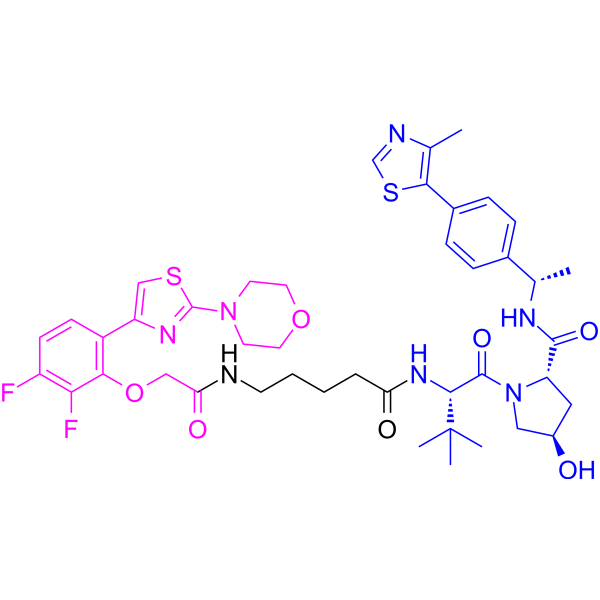 0 ImagesSynonyms: PROTAC AR-V7 degrader-2MTX-23 is a PROTAC degrader targeting androgen receptor splice variant 7 (AR-V7) and full-length androgen receptor (AR-FL), with DC50 values of 0.37 μM and 2 μM, respectively. MTX-23 binds to the DNA-binding domains of AR-V7 and AR-FL, recruits the VHL E3 ubiquitin ligase (E3 ubiquitin ligase) and induces their degradation. MTX-23 reduces the proliferation of prostate cancer cells, promotes their apoptosis (apoptosis), and also inhibits tumor growth in mouse models. MTX-23 can be used for the research of prostate cancer.
-
EN1441
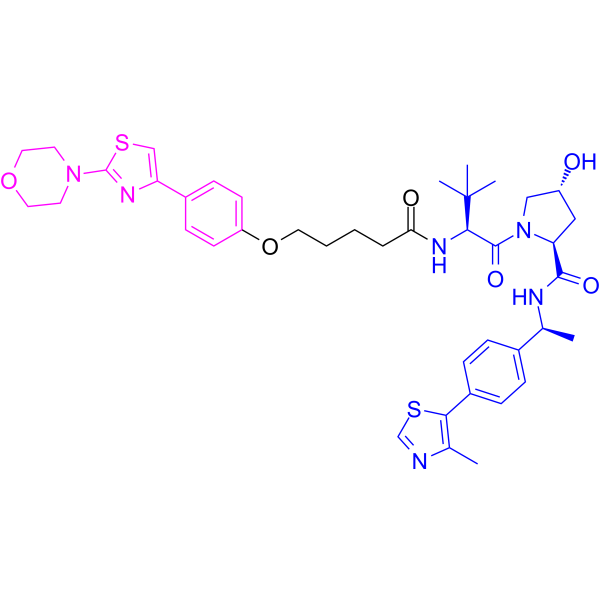
 0 ImagesEN1441 is a covalent degrader targeting the androgen receptor (AR) with an EC50 value of 4.2 μM and its truncated variant AR-V7. EN1441 selectively and potently degrades both AR and AR-V7 in androgen-independent prostate cancer cells. EN1441 is promising for research of androgen-independent prostate cancers.

-
SC912
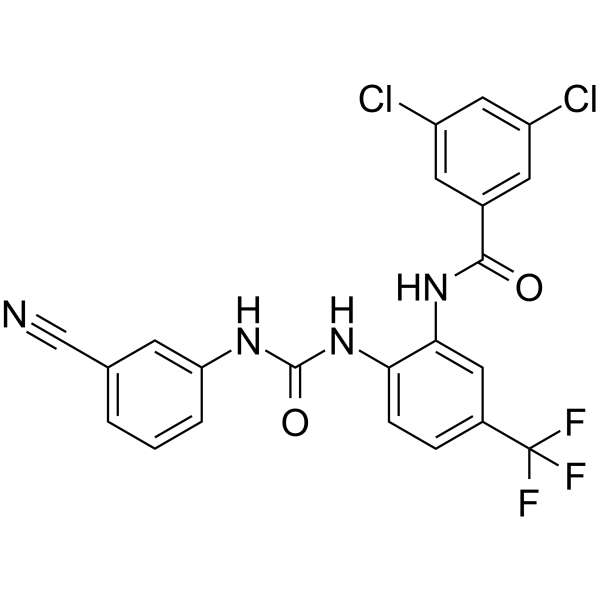 0 ImagesCat. No.: HY-161409Purity: 99.13%SC912 is an AR-V7 inhibitor (IC50 = 0.36 μM). SC912 possesses safety, potency and selectivity. SC912 binds directly to AR-FL and AR-V7 proteins, inhibites nuclear localization and chromatin binding capabilities. SC912 exerts anticancer activity through inhibition of proliferation, induction of cell cycle arrest and apoptosis.
-
Prochloraz
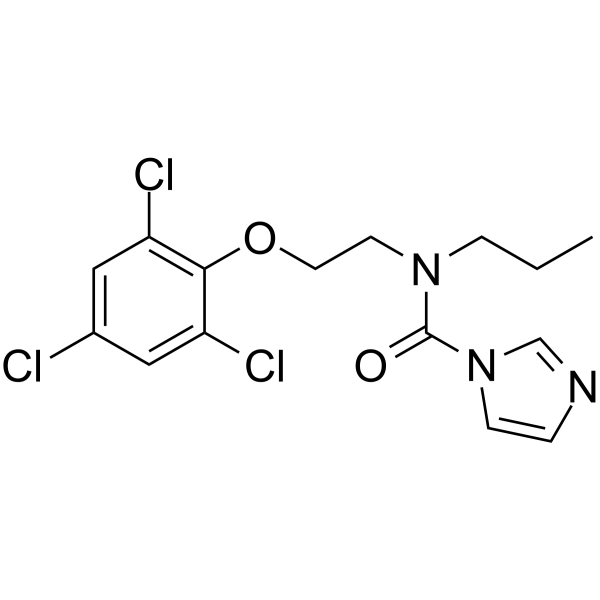 0 ImagesSynonyms: BTS 40542Prochloraz is an imidazole antifungal. Prochloraz is as an estrogen receptor (ER) and androgen receptor (AR) antagonist and an aromatase inhibitor with IC50 values of 25 μM, 4 μM and 0.3 μM, respectively. Prochloraz is able to activate the aryl hydrocarbon receptor (AhR) having an EC50 of 1 μM.




